Learn Logical Thinking with Probability Games
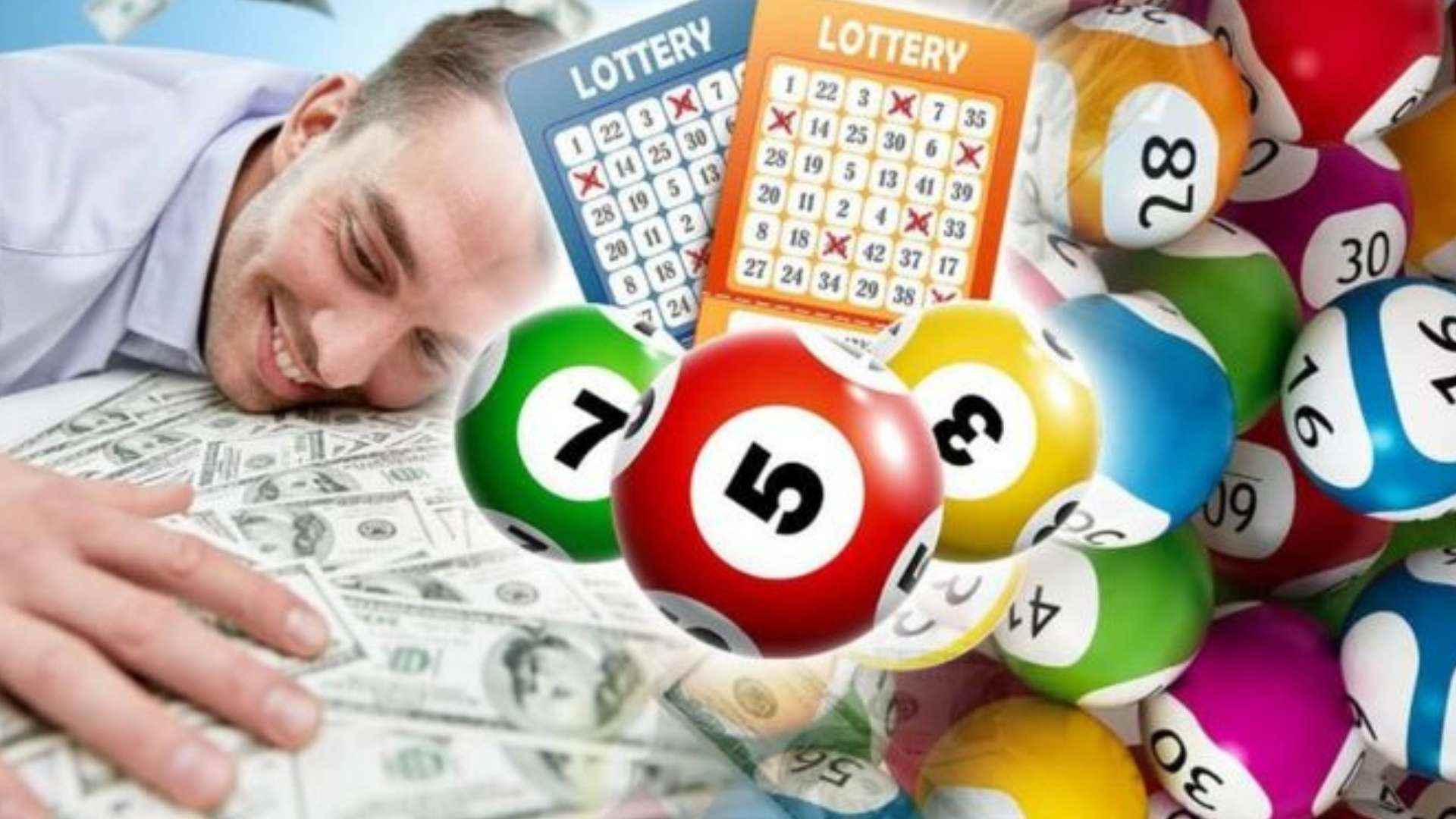
Developing robust logical thinking capabilities is essential for navigating the complexities of modern professional and daily life environments. While traditional academic courses often rely heavily on static textbook formulas, interactive play offers an engaging alternative to sharpen your problem-solving abilities. Embracing tabletop and digital environments governed by chance allows individuals to naturally build cognitive agility and refine their strategic planning habits.
The Connection Between Likelihood and Logic
Probability challenges force the human brain to move past emotional reactions and rely entirely on structured data analysis. By examining how randomized outcomes unfold over extended periods, players learn to evaluate risk dynamically rather than relying purely on luck. This analytical transition transforms unpredictable events into structured mental puzzles that actively test reasoning skills.
Understanding foundational mathematical rules helps beginners decrypt hidden patterns within seemingly chaotic scenarios. Each decision made under uncertainty trains the mind to process incoming data more systematically and adaptively. Over time, consistent engagement with these platforms cultivates a robust framework for making rational everyday choices.
Enhancing Analytical Skills Through Gaming
Modern interactive systems utilize sophisticated mathematical structures to deliver dynamic cognitive exercises for participants. When navigating these virtual spaces, finding a reliable portal like M88 login can provide a safe environment to observe how independent events function. Familiarizing yourself with these digital environments is an excellent strategy for boosting your daily decision-making processes.
Strategic gameplay requires players to evaluate their immediate choices while simultaneously projecting potential future outcomes. By tracking the frequencies of specific results, you can calculate mathematical expectations and minimize structural variance. This tactical approach ensures that logic remains the primary driver behind your overall progression.
Differentiating Variance from Intuition
Many individuals fall into common cognitive traps by misinterpreting independent results as interconnected trends. Probability games effectively debunk these persistent illusions by demonstrating the rigid mathematical boundaries of random distribution. Recognizing the strict difference between standard luck and calculated execution helps enthusiasts maintain objective viewpoints during critical moments.
Developing a scientific mindset requires steady observation and the patience to look beyond immediate short-term results. By applying historical statistics to active challenges, decision-makers learn to manage their long-term expectations with rational confidence. This analytical discipline reduces the anxiety typically associated with navigating uncertain professional or academic environments.
Practical Exercises for Cognitive Development
Stepping into the world of statistical logic is highly accessible when starting with simple dice or classic card challenges. Focus on identifying how shifting independent variables alter the general likelihood of winning a particular round. These straightforward exercises establish a healthy familiarity with numerical concepts without academic stress.
Always remember to approach these interactive challenges primarily as engaging educational entertainment. Maintaining a highly balanced perspective allows you to enjoy the thrill of unpredictability while naturally expanding your cognitive capabilities. With regular practice, the principles of probability transform into practical mental tools for everyday life.